
Performance
The Real Cost of a Slow Website: How Load Time Quietly Kills Sales
5 min read

Diana
Diana Studio
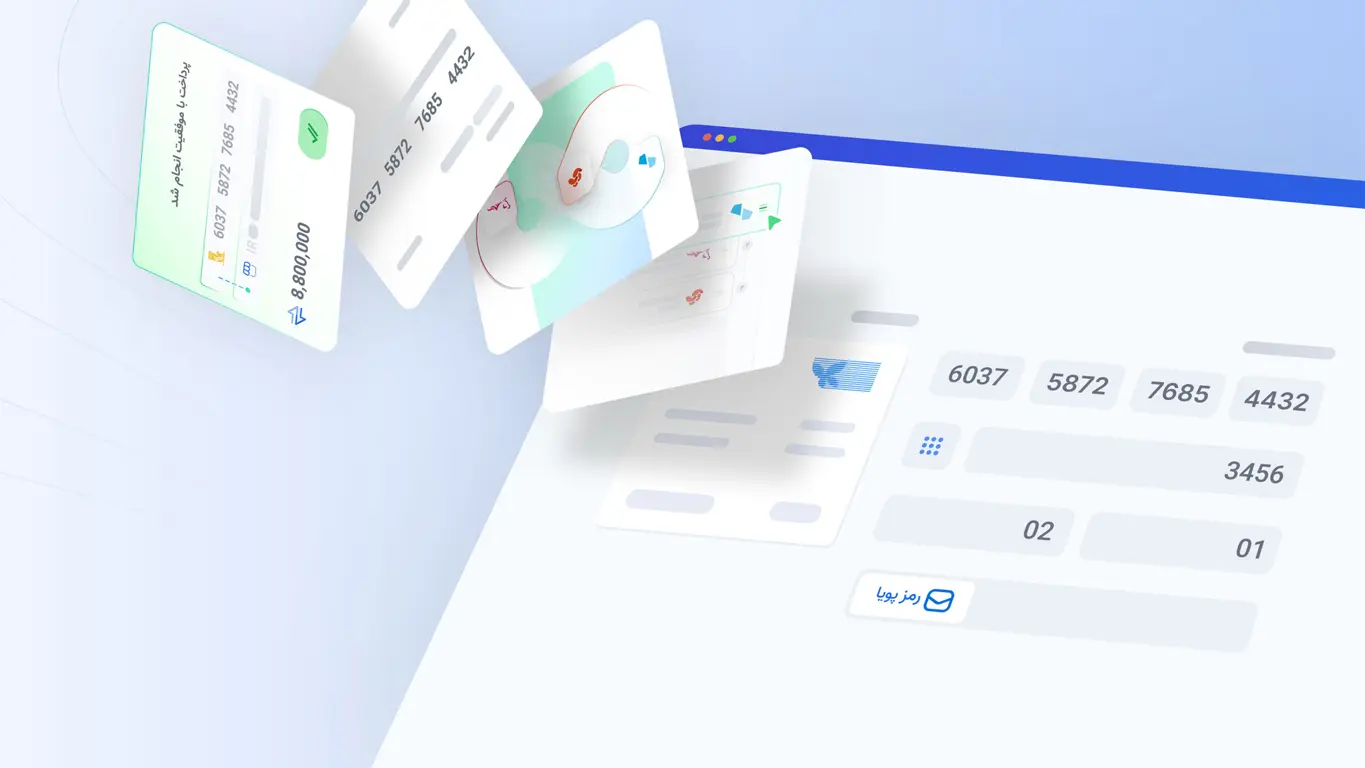
Every payment gateway's documentation makes integration look like copying a code snippet. The snippet is the easy 10 percent. The other 90 percent is what happens when a payment doesn't go exactly as planned.
Successful payments are simple to build and simple to test. What separates a solid checkout from a fragile one is everything else: a payment that times out mid-transaction, a user who closes the tab after paying but before the confirmation page loads, or a callback from the gateway that arrives out of order. Every one of these has to be handled explicitly, or it eventually happens to a real customer at the worst possible moment.
A transaction can succeed on the gateway's side and fail to update on yours, if a server hiccups at the wrong moment, that mismatch is now a customer who paid and didn't receive confirmation, and a support conversation you didn't need to have. A properly built integration verifies every transaction against the gateway's own records rather than trusting a single callback, and logs enough detail to resolve a dispute without guesswork.
Local Iranian gateways each behave a little differently in the details: how they handle retries, what their sandbox environment does and doesn't simulate, how quickly settlement actually happens. Code that was tested only against one gateway's sandbox often breaks in small, frustrating ways the first week it handles real traffic from a different one.
It fails loudly to the developer and gracefully to the customer, it never leaves an order in an ambiguous state, and it gives a clear next step when something does go wrong, rather than a blank error message. None of this shows up in a demo, which is exactly why it's the part most integrations skip until it costs them a customer.