Persian Typography on the Web: Why Most Farsi Websites Look Unfinished

Diana
Diana Studio
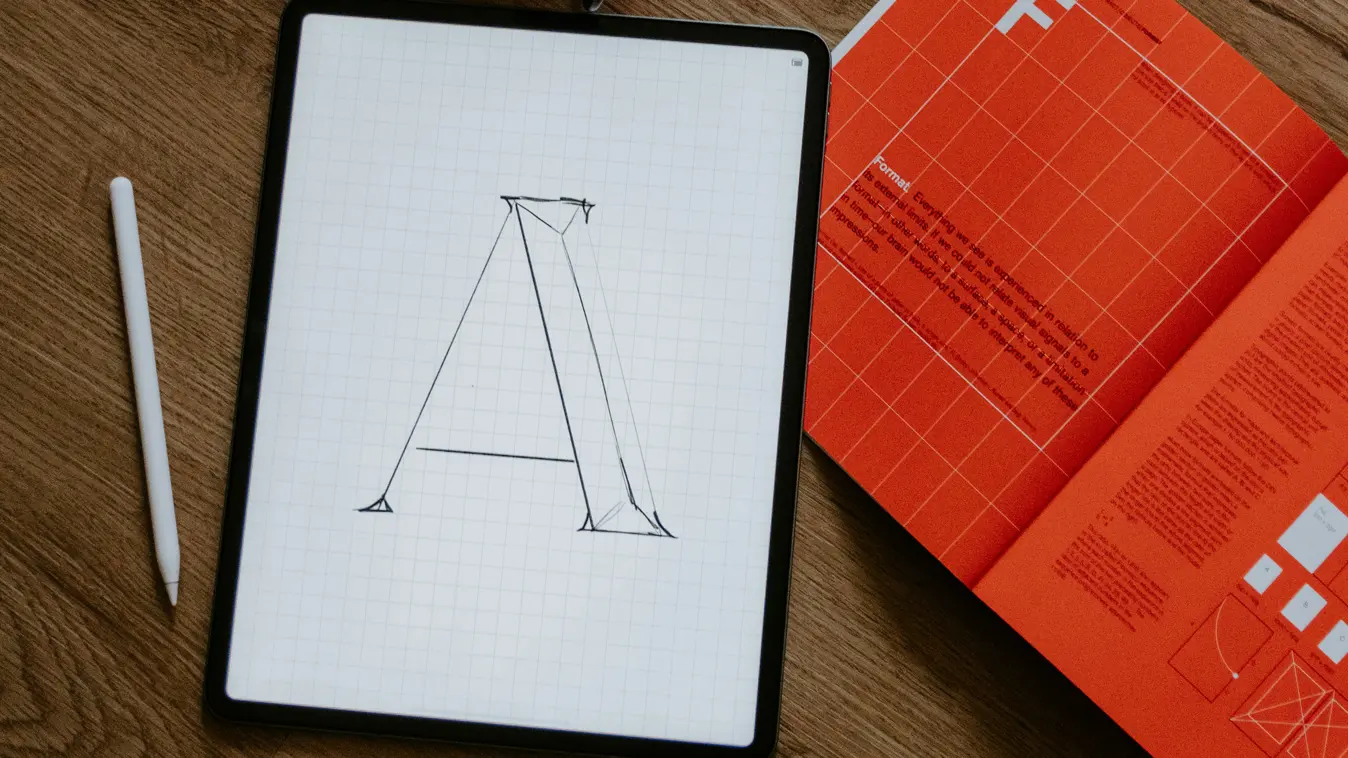
Open ten Farsi websites at random and count how many actually feel comfortable to read for more than thirty seconds. It's fewer than you'd expect, and the reason usually isn't the content.
Latin Design Habits Don't Transfer
A huge share of web design conventions, spacing, line height, font pairing, were worked out for Latin scripts. Persian has different letterforms, different rules for how letters connect, and different visual weight, so a layout that looks balanced in English can look cramped or oddly spaced once it's mirrored into Farsi with the same numbers unchanged.
Line height is one of the most common misses. Persian script has more vertical variation in its letterforms than Latin text does, and a line height that looks fine for English body text often makes Farsi paragraphs feel dense and tiring to read.
The Font Choice Most Sites Get Wrong
A lot of Farsi websites still lean on system fonts that were never designed with screen rendering in mind, or worse, fonts that were designed for print and just don't hold up at small sizes on a phone. Fonts built specifically for Persian web use, like Vazirmatn, IRANSans, or Estedad, render more consistently across devices and were actually tested at the sizes people read on.
Numbers Are Their Own Decision
Whether to use Persian numerals or Western digits for prices, dates, and phone numbers isn't a small stylistic choice, it changes how instantly a visitor recognizes a price or reads a phone number. The right answer depends on the audience and the brand, but it needs to be a deliberate decision, not whatever came out of a template by default.
Why This Actually Affects Business Results
A site that's mildly uncomfortable to read doesn't get abandoned in a dramatic way, visitors just read less of it, scroll less carefully, and remember less of what it said. Getting Persian typography right isn't a design luxury, it's the difference between a visitor actually absorbing your message and skimming past it on the way out.